


Have you ever reached the end of a long day, only to find your shoes feeling tight and uncomfortable? That heavy, puffy sensation in your limbs is a common struggle that many of us face. It often stems from water retention, a condition where your body holds onto extra fluid within its tissues.
Dealing with swollen feet can be more than just a minor annoyance; it is often a signal that your internal balance needs attention. When your system struggles to regulate fluids, it impacts your overall comfort and daily energy levels.
Understanding why this happens is the first step toward feeling like yourself again. By making small, proactive changes to your habits, you can support your body’s natural processes. Prioritizing your physical well-being today helps you move through life with greater ease and confidence.
Key Takeaways
- Edema occurs when excess fluid accumulates in body tissues.
- Recognizing early signs helps prevent long-term discomfort.
- Daily habits play a major role in fluid regulation.
- Simple lifestyle adjustments can significantly reduce puffiness.
- Proactive health management improves your daily quality of life.
Understanding the Causes of Water Retention
Many people struggle with unexplained swelling, but identifying the root causes of water retention can provide much-needed clarity. Your body is a complex system that works hard to maintain a delicate fluid balance every single day.
When this balance shifts, you may notice puffiness in your hands, feet, or ankles. Understanding these shifts is the first step toward feeling like yourself again.
Common Triggers for Fluid Buildup
Fluid accumulation often stems from predictable lifestyle or biological factors. Hormonal fluctuations are a frequent culprit, particularly during pregnancy or the menstrual cycle, which can cause the body to hold onto extra sodium and water.
Certain medications also play a significant role in how your body regulates fluids. For instance, oral contraceptives, corticosteroids, and even some calcium channel blockers used for blood pressure management are known to trigger swelling in the extremities.
When to See a Doctor About Edema
While occasional bloating is often harmless, persistent swelling may indicate a condition known as edema. It is important to distinguish between temporary puffiness and symptoms that require professional medical attention.
You should consult a healthcare provider if you notice that the swelling is asymmetrical, meaning it only affects one leg or arm. Additionally, seek medical advice if the skin remains indented after you press on it, or if you experience shortness of breath alongside the swelling.
Early evaluation helps rule out underlying issues related to heart, kidney, or liver function. Taking proactive steps to monitor your health ensures that you address edema before it impacts your daily quality of life.
Dietary Adjustments to Reduce Bloating
Your kitchen is the first place to look when you want to learn how to reduce water retention. What you choose to put on your plate directly influences how your body stores and releases excess fluids. By making small, intentional shifts in your daily habits, you can significantly minimize that heavy, puffy feeling.
The Role of Sodium Intake
High sodium intake is a primary culprit behind persistent fluid retention. When you consume too much salt, your body holds onto extra water to maintain the delicate balance of fluids inside and outside your cells. This process often leads to visible swelling and discomfort.
Most of the sodium in the modern diet comes from processed and packaged foods rather than the salt shaker. To manage your levels, consider these simple steps:
- Check nutrition labels for hidden sodium in canned soups and sauces.
- Choose fresh, whole ingredients whenever possible.
- Rinse canned beans or vegetables under water to remove excess surface salt.
“The secret to feeling lighter is often found in the simplicity of whole, unprocessed ingredients that support your body’s natural rhythm.”
Potassium-Rich Foods to Balance Fluids
Incorporating foods that help with water retention is a powerful strategy for long-term relief. Potassium acts as a natural counter-balance to sodium, helping your kidneys flush out excess salt through your urine. This mineral is essential for maintaining healthy fluid levels and reducing unwanted bloating.
Adding these nutrient-dense options to your meals can support your overall wellness:
| Food Item | Benefit | Serving Suggestion |
|---|---|---|
| Bananas | High potassium | Sliced on oatmeal |
| Spinach | Mineral rich | Fresh in salads |
| Avocados | Healthy fats | Spread on toast |
Focusing on these natural sources ensures your body has the tools it needs to function efficiently. When you prioritize these ingredients, you create a sustainable path toward feeling more comfortable and energized every single day.
Hydration Strategies for Fluid Balance
Achieving a healthy fluid balance often starts with the simple act of drinking more water throughout your day. Many people mistakenly believe that limiting their intake will stop swelling, but this approach can actually trigger your body to hold onto more fluid. Understanding how to reduce water retention requires a shift in how you view your daily hydration habits.
Why Drinking Water Helps Flush Excess Fluid
When you drink enough water, you support your kidneys in their primary job of filtering your blood. This process is essential for maintaining equilibrium within your system. By staying hydrated, you encourage your body to release excess sodium, which is a common culprit behind uncomfortable bloating.
Think of water as a natural cleansing agent for your internal organs. When your hydration levels are steady, your body no longer feels the need to hoard water as a survival mechanism. This simple habit is one of the most effective ways to manage fluid retention naturally.
Beverages to Avoid When You Feel Swollen
While water is your best friend, other drinks can work against your goals. Sugary sodas and excessive amounts of alcohol often lead to dehydration, which forces your body to retain more fluid. These drinks can counteract the benefits of the foods that help with water retention you might be eating.
It is also wise to monitor your caffeine intake if you are prone to puffiness. While some people find relief in small amounts, too much caffeine can irritate your system and disrupt your natural balance. Choosing herbal teas or plain water is a much better strategy for those learning how to reduce water retention in the long term.
Physical Activity and Movement Techniques
You can easily combat the feeling of heaviness in your lower body by incorporating small movement breaks into your daily routine. Physical activity acts as a natural pump for your circulatory system, helping to move fluids away from your extremities. By prioritizing consistent, light exercise, you can significantly reduce the sensation of swollen feet and legs.
Exercises to Improve Circulation
Simple movements can make a world of difference when you want to keep your blood flowing efficiently. You do not need a gym membership to see results, as many of these exercises can be done right at your desk or in your living room.
- Ankle Pumps: Flex your feet up and down to engage your calf muscles and encourage blood flow.
- Leg Lifts: While seated or lying down, extend your legs to help gravity assist in fluid drainage.
- Brisk Walking: A short ten-minute walk helps activate the muscles in your legs, which is excellent for preventing swollen feet.
The Importance of Avoiding Prolonged Sitting
Sitting for long periods is a common culprit behind fluid pooling in the lower legs. When you remain stationary, your muscles are not contracting enough to push blood and lymph fluid back toward your heart. This lack of movement often leads to discomfort and visible puffiness by the end of the day.
Try to set a timer to stand up and stretch at least once every hour. Even a quick walk to the kitchen or a few minutes of standing can prevent the buildup that causes uncomfortable swollen feet. Making these small adjustments to your workday will help you maintain better fluid balance and overall leg health.
Top Amazon Products for Managing Water Retention
Finding the right tools to manage fluid buildup can make a significant difference in your daily comfort. While lifestyle changes are essential, incorporating specific products can provide immediate relief and support your body’s natural processes. Below are three highly-rated options available on Amazon that help address swelling and promote better circulation.
Dr Teal’s Pure Epsom Salt Soak
Overview
Dr Teal’s Pure Epsom Salt Soak is a classic remedy for tired, swollen muscles. By combining magnesium sulfate with essential oils, it helps create a relaxing environment that encourages the body to release excess fluid.
Pros and Cons
The primary benefit is its affordability and ease of use in a warm bath. However, it requires time to soak, which may not be convenient for everyone’s busy schedule.
Features
This product features high-quality magnesium sulfate that helps soothe aches. It is perfect for evening relaxation after a long day on your feet.
Water Away Herbal Diuretic Pills
Overview
When dietary adjustments are not enough, many people turn to water retention supplements to help balance fluid levels. Water Away offers a blend of herbal ingredients designed to support healthy kidney function and fluid balance.
Pros and Cons
These pills are convenient and easy to incorporate into a daily routine. Users should consult a doctor before starting any new water retention supplements to ensure they are appropriate for their specific health needs.
Features
The formula typically includes a blend of natural herbs like dandelion and juniper. It is formulated for gentle support rather than harsh, immediate effects.
Comrad Knee-High Compression Socks
Overview
Compression socks are a mechanical solution for those who struggle with swelling in the lower legs. Comrad socks apply graduated pressure to help blood and fluid move back toward the heart.
Pros and Cons
They are highly effective at preventing swelling during long periods of sitting or standing. Some users may find them slightly difficult to put on initially due to the snug fit.
Features
These socks feature moisture-wicking fabric and a comfortable, non-binding band. They are designed for all-day wear, making them a great choice for office workers or travelers.
Natural Remedies for Water Retention
Nature offers a gentle path toward managing fluid retention through time-tested herbal traditions. Many individuals prefer these holistic approaches to support their body’s internal balance without relying on synthetic medications. By choosing the right plants, you can encourage your system to release excess water more efficiently.
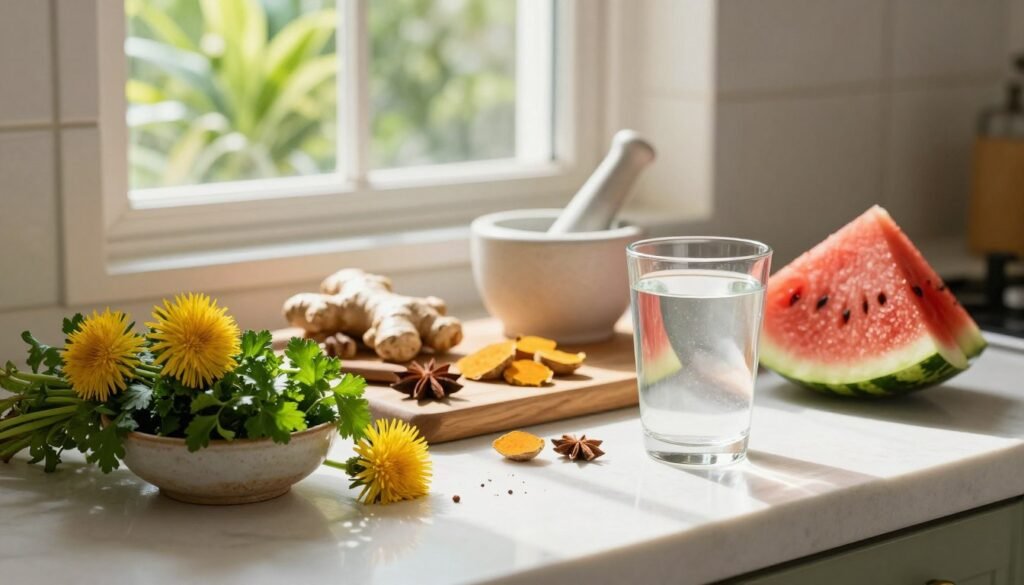
Herbal Teas That Act as Natural Diuretics
Herbal teas serve as a soothing and effective way to hydrate while promoting healthy kidney function. These beverages often contain compounds that signal the body to flush out stored liquids, which can significantly reduce uncomfortable bloating. Sipping on a warm cup of tea is a simple ritual that fits easily into any busy schedule.
“Let food be thy medicine and medicine be thy food.”
The Benefits of Dandelion Root and Parsley
When looking for foods that help with water retention, dandelion and parsley stand out as top contenders. Dandelion leaf extract has been shown in small studies to increase urine production, acting as a powerful yet gentle natural diuretic. This makes it a popular choice for those seeking to shed temporary water weight.
Parsley is another kitchen staple that offers impressive benefits for fluid regulation. It is rich in nutrients and works by stimulating the kidneys to filter waste more effectively. Always consult with a healthcare professional before adding new natural remedies for water retention to your daily routine to ensure they are safe for your specific health needs.
Managing Swollen Feet and Ankles
Addressing discomfort in your feet and ankles is a vital step toward restoring your daily comfort. When fluid accumulates in these areas, it often leads to a condition known as edema, which can make walking or standing feel heavy and tight. Fortunately, you can use simple physical interventions to encourage better circulation and reduce that persistent puffiness.
Elevation Techniques for Immediate Relief
Gravity is often the primary culprit behind fluid pooling in your lower extremities. By changing your body position, you can effectively assist your veins in returning blood and fluid toward your heart. This is one of the most accessible natural remedies for water retention available to you at home.
To achieve the best results, lie down on a comfortable surface and prop your feet up on pillows. Ensure your ankles are positioned above the level of your heart for at least 15 to 20 minutes. This simple shift helps drain excess fluid and provides rapid relief from the pressure caused by gravity.
Massage Therapy for Lymphatic Drainage
Manual stimulation of the skin can significantly improve the movement of lymph fluid, which often gets trapped in swollen tissues. Gentle, rhythmic strokes directed toward the heart help clear blockages and reduce the appearance of edema. You do not need professional training to perform basic lymphatic massage on yourself.
Using light pressure, start at your toes and move slowly upward toward your ankles and calves. Always use an upward motion to support the natural flow of your lymphatic system. This technique is highly effective when combined with other natural remedies for water retention to maintain long-term balance.
| Method | Primary Benefit | Frequency |
|---|---|---|
| Leg Elevation | Reduces gravity-based pooling | 2-3 times daily |
| Lymphatic Massage | Stimulates fluid circulation | Once daily |
| Compression Wear | Prevents fluid accumulation | During active hours |
Lifestyle Changes for Long-Term Success
If you want to know how to reduce water retention, you must consider your lifestyle as a whole. While quick fixes provide temporary relief, true balance comes from habits that support your body’s natural systems. By focusing on your daily environment, you can create a foundation for lasting health.
Managing Stress and Cortisol Levels
Chronic stress triggers the release of cortisol, a hormone that significantly impacts your fluid balance. When cortisol levels remain high, your body often holds onto extra sodium, which leads to unwanted swelling. Learning to manage your stress is a vital step in how to reduce water retention effectively.
Simple practices like deep breathing, meditation, or even a short walk can lower your cortisol levels. By calming your nervous system, you encourage your body to release excess fluids naturally. Consistency is key when you are trying to stabilize your internal environment.
The Impact of Sleep Quality on Fluid Regulation
Your body performs essential maintenance while you sleep, including the regulation of hormones that control fluid levels. Poor sleep quality disrupts these natural cycles, often leading to increased bloating the next morning. Prioritizing a restful night is a powerful tool for anyone wondering how to reduce water retention.
“Sleep is the golden chain that ties health and our bodies together.”
Aim for seven to nine hours of quality sleep to help your kidneys function optimally. When you are well-rested, your body is much better at flushing out toxins and maintaining a healthy fluid balance. Consider the following table to see how different lifestyle factors influence your body’s fluid management.
| Lifestyle Factor | Impact on Fluid | Recommended Action |
|---|---|---|
| Chronic Stress | Increases Sodium | Practice Mindfulness |
| Poor Sleep | Hormonal Imbalance | Maintain Sleep Schedule |
| Sedentary Habits | Fluid Pooling | Regular Movement |
| High Sodium Diet | Water Retention | Choose Whole Foods |
By integrating these changes, you will find it much easier to maintain a comfortable weight and feel your best. Remember that small, sustainable shifts in your daily routine often yield the most significant results for your long-term wellness.
How to Monitor Your Progress
Tracking your progress is a powerful tool for anyone looking to minimize persistent bloating. By observing how your body reacts to specific daily habits, you gain the clarity needed to make meaningful health improvements.
Tracking Daily Weight Fluctuations
Daily weigh-ins can provide valuable insights into how your body manages fluid levels. While weight naturally shifts throughout the day, consistent morning measurements help you identify trends rather than temporary spikes.
When you notice sudden increases, consider what you ate or drank the previous day. This simple habit helps you connect specific dietary choices to instances of uncomfortable fluid retention.

Identifying Patterns in Your Symptoms
A data-driven approach allows you to see the bigger picture of your wellness journey. By keeping a log, you can pinpoint exactly when bloating occurs and what lifestyle factors might be the primary triggers.
To get the most out of your monitoring, try keeping a simple journal or using a mobile app. Focus on recording these key details:
- Sodium intake: Note if high-salt meals correlate with increased swelling.
- Hydration levels: Track how much water you drink to see if it helps flush excess fluids.
- Physical activity: Record your movement to see if exercise reduces your symptoms.
- Sleep quality: Observe if poor rest impacts your body’s ability to regulate fluids.
Consistent tracking empowers you to make informed adjustments to your diet and lifestyle. Over time, you will learn to recognize the early signs of bloating, allowing you to take proactive steps toward better health.
The Science Behind Water Retention Supplements
Understanding the biological mechanisms behind water retention supplements is a smart step toward better health. By learning how specific nutrients interact with your body, you can make informed choices that support your overall well-being. Science provides clear evidence that certain vitamins and minerals play a vital role in maintaining healthy fluid levels.
Key Ingredients to Look For
When you explore options to manage fluid balance, you will often find specific nutrients that target the underlying causes of water retention. These ingredients work by supporting your body’s natural metabolic processes.
- Vitamin B6: This essential water-soluble vitamin is a powerhouse for regulating fluid balance. It also plays a critical role in protein metabolism, which helps your body process nutrients more effectively.
- Magnesium: Many people find that magnesium is highly effective for reducing bloating, especially during PMS. It helps relax muscles and supports healthy circulation throughout the body.
Safety Precautions and Dosage Guidelines
While natural supplements can be beneficial, you must approach them with caution. It is essential to follow dosage guidelines provided on the product label to avoid unwanted side effects. Taking more than the recommended amount does not necessarily speed up results and may cause imbalances.
Always consult with your doctor before starting any new regimen, especially if you are currently taking other medications. A healthcare professional can ensure that your chosen water retention supplements will not interact negatively with your existing prescriptions. By prioritizing safety, you can address the root causes of water retention while keeping your body in balance.
Common Myths About Fluid Retention
Navigating the world of health advice can be tricky when myths about water retention cloud the truth. Many people feel frustrated by sudden changes on the scale, often blaming the wrong factors for their discomfort. By separating fact from fiction, you can better manage your health without unnecessary stress.
Debunking Misconceptions About Salt and Water
A common belief is that salt is the sole enemy of fluid balance. While sodium does play a role, it is not the only factor that triggers swelling. Many people overlook how refined carbohydrates, such as white bread or sugary snacks, impact the body.
These foods cause rapid spikes in insulin levels. High insulin levels can lead to increased sodium reabsorption in the kidneys, which contributes to the causes of water retention. Understanding this connection helps you realize that your diet is more complex than just avoiding the salt shaker.
Clarifying the Difference Between Fat and Water Weight
It is vital to distinguish between temporary fluid shifts and actual body fat. Water weight is often fleeting and can change based on your hydration, hormonal cycles, or salt intake. In contrast, body fat is stored energy that accumulates over a longer period through a caloric surplus.
Many individuals turn to water retention supplements when they see a sudden jump in weight. However, if the gain is just fluid, it will likely resolve on its own with proper hydration and movement. Relying on pills is rarely the best long-term solution for weight management.
| Feature | Water Weight | Body Fat |
|---|---|---|
| Duration | Short-term (hours/days) | Long-term (weeks/months) |
| Primary Cause | Sodium, carbs, hormones | Caloric surplus |
| Fluctuation | High and rapid | Slow and steady |
| Resolution | Hydration and movement | Consistent calorie deficit |
Conclusion
Achieving a healthy fluid balance requires a proactive approach to your daily habits. You can manage your body weight and comfort levels by staying mindful of your salt intake and movement patterns.
Integrating natural remedies for water retention into your routine creates a sustainable path toward better wellness. Small shifts in your diet and activity levels often lead to significant improvements in how you feel each day.
You should pay close attention to your body to identify what triggers your symptoms. If you notice persistent swelling or signs of edema, reach out to a medical professional to ensure your health remains a top priority.
Your journey toward better health starts with these simple, consistent choices. Share your experiences with these methods or ask questions about your progress to keep the conversation going. Taking charge of your physical well-being empowers you to live a more comfortable and active life.
FAQ
How can I tell the difference between water retention and actual weight gain?
Can water retention supplements cause dehydration?
Are there specific foods that help with water retention quickly?
Why do my feet get so swollen after a long flight?
Is it safe to use natural remedies for water retention every day?
Does magnesium really help with PMS-related bloating?
Amazon Products That Might Help

- POWERED BY MAGNESIUM: Dr Teal’s Pure Epsom Salt (Magnesium Sulfate) helps ease aches & pains, relaxes the body & helps r…
- CALM & COMFORTING: Crafted with Orange & Sandalwood essential oils to promote a tranquil, restful mind
- RELAXING TREATMENT: Soak in a bath for 20 minutes to experience long-lasting stress relief, also great for sore and exha…

- NATURAL WATER RETENTION & BLOATING RELIEF – Formulated to reduce excess water weight, relieve bloating, and support flui…
- SUPPORTS KIDNEY, URINARY & CIRCULATORY HEALTH – Our dandelion root supplement is designed to gently flush excess fluids….
- POWERFUL HERBAL BLEND – Our bloating relief for women & men supplement contains Dandelion Leaf Extract, Green Tea, Cranb…
